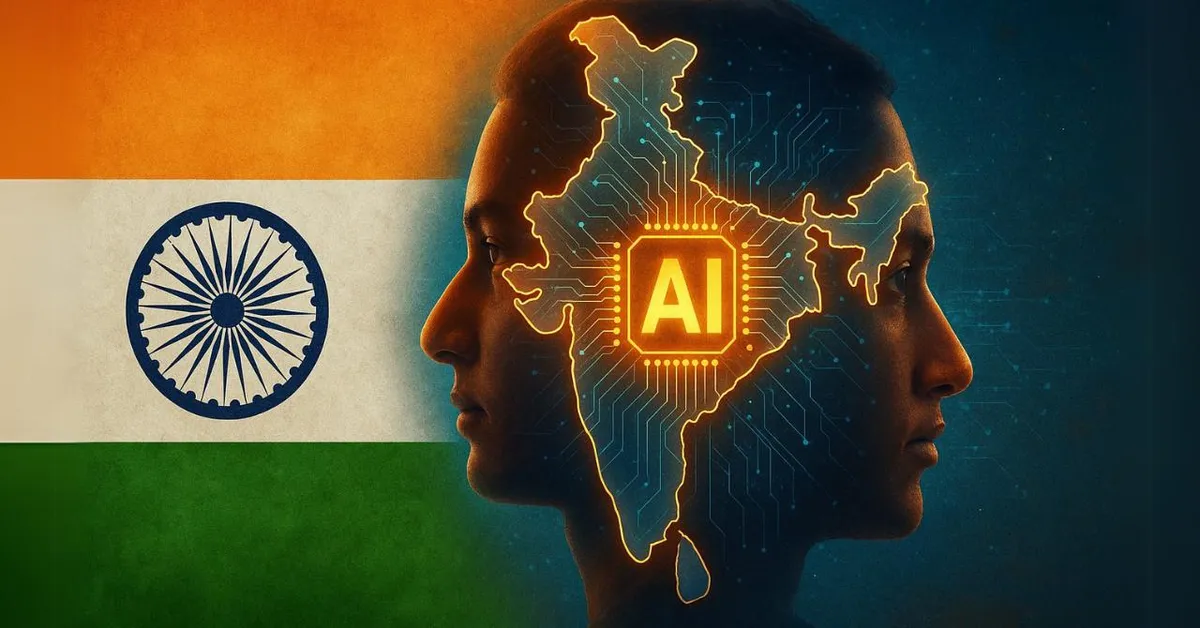

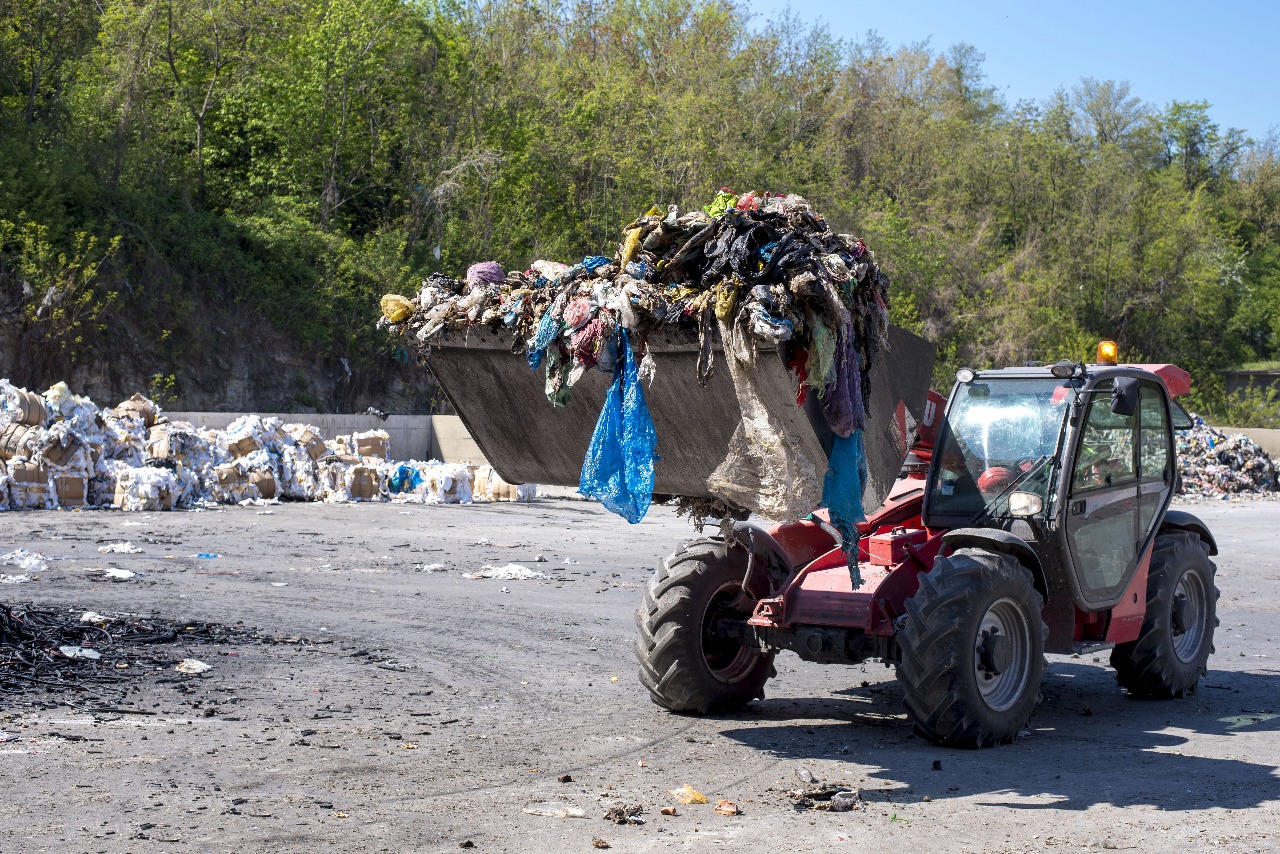
Over 24 crore tonnes of legacy waste lie buried, slowly poisoning our land and water. Is there a way out?
India is drowning in its own garbage. From leachate contaminating groundwater to 2,400+ open dumpsites silently festering across cities, the scale of mismanaged waste is staggering and dangerous.
What’s really going on?
- 24 crore tonnes of legacy waste choke India’s land in 2,400 dumpsites
- 80,000 tonnes/day of garbage is generated; only a fraction is processed or segregated
- Leachate, a toxic liquid from legacy dumps, is seeping into groundwater and rivers, turning garbage into poison
- Over 1.5 crore tonnes of solid waste enters drains and natural ecosystems every year
Many cities Delhi, Bengaluru, Hyderabad have failed to implement full segregation or scientific disposal
City-Wise waste management snapshot
| City | Daily Waste (tonnes) | Legacy Waste (lakh tonnes) |
| Delhi | 11,000 | 160 |
| Mumbai | 8,000 | 245 |
| Hyderabad | 8,000 | Not specified |
| Bengaluru | 5,800-6,000 | 45 |
| Chennai | 5,000 | 100 |
| Chandigarh | 450-480 | Not specified |
Why it matters
- Toxic leachate from landfills enters crops and water
- Increased respiratory issues, neurological damage, cancer risk in exposed areas
- Estimated 94% of landfills violate environmental norms
- Cities lack proper waste-to-energy, composting, or recycling mechanisms
- Only 22% of total waste is processed via eco-friendly methods
The problem with partial solutions
Burning plastic-rich waste releases PM2.5 and dioxins, adding to India’s pollution problem. Meanwhile, even advanced plants like Okhla or Perungudi only reduce dumps marginally, often with side effects.
A glimmer of hope
- Chennai’s Perungudi plant has shown some success with biomining and solar drying, reclaiming over 50% of the dumped land
- Swachh Bharat Mission 2.0 are pushing cleanup efforts
- Technology-led interventions (aerobic composting, biomethanation, RDF plants) are gaining ground
The bigger picture
This is more than a waste issue. It’s about water safety, urban planning, climate impact, and public health. If India can crack this code through strict enforcement, better urban policies, and scientific waste management it could become a global model for legacy waste transformation.
The question is: Will we clean up the past, or let it bury our future?
Stay tuned as we track India’s push to reclaim its land from garbage and toxins.