

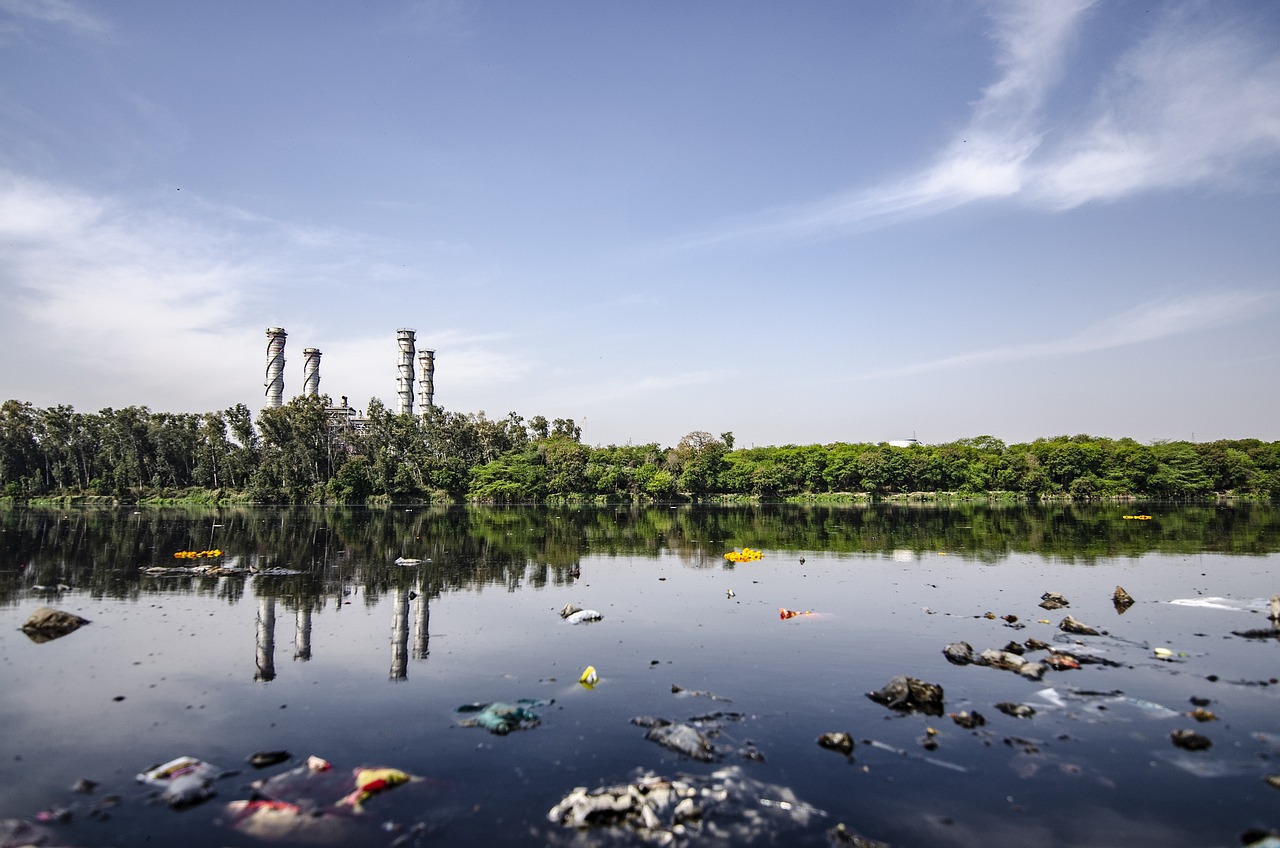
In an era defined by rapid technological advancement, the byproducts of technological waste have become a growing concern for governments, industries, and environmentalists. From e-waste landfills to industrial chemical disposal sites, these technological waste pits pose significant threats to ecosystems and public health.
Recognizing the urgency of this issue, policymakers around the world are now enforcing regulations to close waste pits, promote sustainable waste reduction, and hold corporations accountable.
What Are Technological Waste Pits?
Technological waste pits are physical or designated areas where industrial or electronic waste is dumped, either temporarily or permanently. These may include:
- E-waste landfills storing outdated electronics like computers and phones.
- Chemical disposal pits containing residues from manufacturing processes.
- Outdated data centers or battery storage sites with hazardous materials.
These sites often contain toxic substances like lead, mercury, cadmium, and arsenic posing risks to soil, groundwater, and air quality.
The Urgency of Waste Reduction
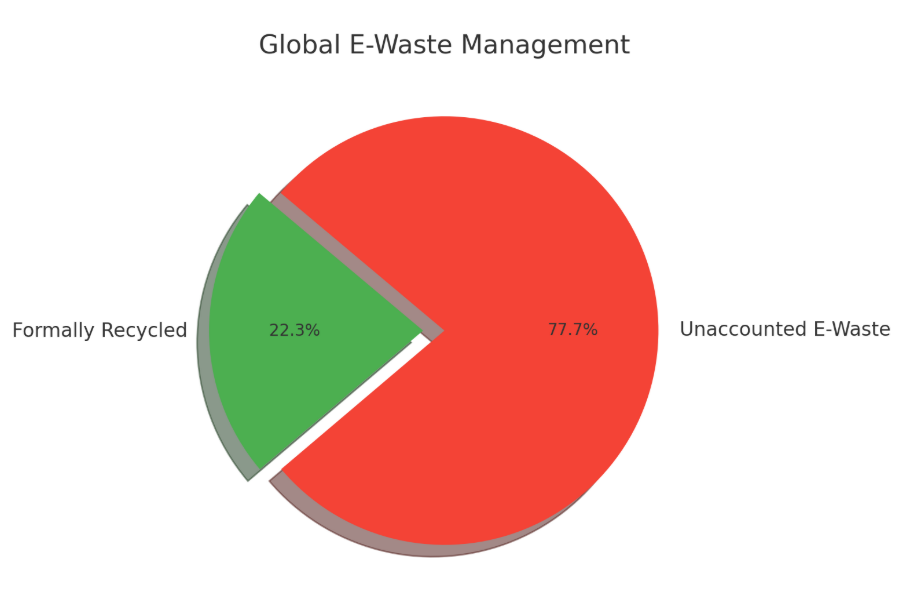
According to the Global E-waste Monitor 2024, the world generated approximately 62 million tonnes of electronic waste in 2022, marking an 82% increase since 2010, expected to increase by an additional 32%, reaching 82 million tonnes by 2030. However, only 22.3% of this e-waste was formally documented as collected and recycled, leaving a significant portion unaccounted for and increasing pollution risks to communities worldwide.
- Product lifecycle extension: Designing durable, repairable, and upgradeable products.
- Circular economy models: Encouraging reuse, remanufacturing, and recycling.
- Digital product passports: Tracking materials for easier reclamation.
Effective waste reduction helps reduce landfill overflow, resource extraction, and carbon emissions associated with production and disposal.
Government Policy and Regulation
To manage technological waste responsibly, governments worldwide are introducing policies for pit closure, waste auditing, and recovery mandates.
Regulatory Measures
- EPR (Extended Producer Responsibility): Requires manufacturers to take back and recycle their products.
- Mandatory E-Waste Collection Targets: Benchmarks for retailers and recyclers.
- Technology Waste Licensing: Legal control over who can dispose, recycle, or manage waste sites.
International Agreements
- The Basel Convention: Controls transboundary movements of hazardous wastes.
- The EU Green Deal & Digital Product Passport: Encourages eco-design and supply chain transparency.
The EPA’s Resource Conservation and Recovery Act (RCRA) governs the closure and post-closure of hazardous waste pits, requiring companies to:
- Seal and monitor pits.
- Implement long-term groundwater testing.
- Submit closure plans with community consultation.
Pit Closure: A Necessary Step
Closing technological waste pits involves
- Excavating or capping waste with protective barriers.
- Treating or containing residual hazardous materials.
- Rehabilitating land for safe reuse (e.g., green spaces, solar farms).
These closures are critical to prevent leachate contamination, air pollution, and accidental human exposure.
Looking Forward: Sustainable Tech Practices
The future of waste management lies in preventive design and digital tracking
- AI and IoT sensors for real-time monitoring of waste facilities.
- Blockchain to trace product material flows and compliance.
- Public-private partnerships to invest in clean disposal tech and green innovation.
Potential Risks of Technological Waste Pits
Soil and Water Contamination
Technological waste pits often contain heavy metals like lead, mercury, cadmium, arsenic, and brominated flame retardants, which can leach into the soil and groundwater over time. Once these contaminants enter aquifers or nearby rivers, they become almost impossible to remove without large-scale intervention.
- Impacts on agriculture: Contaminated soil can affect crop productivity and food safety, introducing toxic substances into the food chain.
- Drinking water risks: Rural and peri-urban communities relying on local wells are particularly vulnerable, as even trace amounts of these substances can accumulate and cause long-term health effects.
- Bioaccumulation: These toxins can build up in plants and animals, intensifying toxicity up the food chain.
Air Pollution
Improper incineration or natural degradation of electronic components in open or poorly managed pits releases toxic airborne pollutants, such as dioxins, furans, polycyclic aromatic hydrocarbons (PAHs), and particulate matter (PM2.5 and PM10).
- Health implications: Chronic exposure to these pollutants can lead to asthma, chronic bronchitis, cardiovascular disease, and increased cancer risk.
- Global impact: Airborne pollutants can travel across borders, affecting air quality in regions far from the original waste site.
Public Health Hazards
Technological waste pits, especially when located near residential areas, pose serious threats to community health.
- Short-term exposure can result in skin irritation, headaches, and nausea, especially for waste workers and nearby residents.
- Long-term exposure to substances like lead or mercury can cause neurological damage, kidney failure, reproductive disorders, and developmental delays in children.
- Informal e-waste workers, including children in developing nations, are disproportionately affected due to lack of protective equipment and exposure to hazardous materials during manual disassembly.
Biodiversity Loss
Contamination from technological waste pits extends beyond human populations, with significant implications for flora and fauna.
- Aquatic ecosystems suffer when leachate enters rivers or lakes, leading to fish kills, reproductive disruptions in aquatic species, and habitat degradation.
- Terrestrial animals ingesting contaminated soil or water may experience poisoning, behavioral changes, or reduced fertility.
- Soil microorganisms, crucial for nutrient cycling, may be wiped out or mutated, leading to long term changes in soil health and productivity.
Long Term Environmental and Financial Liability
Unlike biodegradable waste, toxic components from tech waste can persist for decades or centuries, creating forever chemical scenarios.
- Remediation costs: Cleaning up a contaminated site can cost tens of millions of dollars, requiring extensive excavation, soil washing, or groundwater treatment.
- Legal liabilities: Governments and corporations may face lawsuits from affected communities, with long lasting reputational and financial consequences.
- Intergenerational burden: Future generations inherit both the environmental damage and the economic cost of inaction today.
Benefits of Closing Technological Waste Pits
- Environmental Restoration: Prevents ongoing contamination and promotes soil/water recovery.
- Public Health Protection: Reduces exposure to carcinogens and neurotoxins.
- Economic Opportunities: Opens up land for redevelopment or safe reuse.
- Circular Economy Boost: Materials can be recovered and re-integrated through proper recycling systems.
Conclusion: Solutions for Managing Tech Waste Responsibly
Proper Sealing & Monitoring
- Use of impermeable liners, clay barriers, and synthetic membranes prevents hazardous leachate from seeping into the soil.
- Groundwater wells and monitoring systems detect contamination early, enabling timely remediation.
- Closure plans should also include periodic site inspections and maintenance to ensure long-term environmental protection.
Advanced Recycling Facilities
- Facilities equipped with AI and robotics can efficiently sort and recover valuable materials like gold, copper, and rare earth metals.
- Automated systems reduce human exposure to toxic components and increase processing accuracy.
- Investment in such infrastructure drives innovation and scalability in waste management.
Policy Enforcement
- Governments can implement extended producer responsibility (EPR), making manufacturers accountable for product end-of-life.
- Incentives like tax breaks or subsidies can support companies adopting green practices.
- Strong regulatory frameworks ensure compliance, penalize polluters, and encourage sustainable design.
Public Awareness Campaigns
- Educational programs inform citizens about e-waste dangers and proper disposal methods.
- Community collection drives and partnerships with retailers make recycling more accessible.
- Awareness boosts participation in circular practices and reduces illegal dumping.
Reference
- The global E-waste Monitor 2024 – Electronic Waste Rising Five Times Faster than Documented E-waste Recycling: UN
- Basel Convention on the Control of Transboundary Movements of Hazardous Wastes and their Disposal
- EU’s Digital Product Passport: Advancing transparency and sustainability
- RCRA Ground-Water Monitoring Technical Enforcement Guidance Document